

Starting a healthier lifestyle shouldn’t feel like solving a complex math problem. Yet, if you’ve ever searched for a healthy diet plan online, you’ve likely been hit with conflicting advice, restrictive rules, and overwhelming meal charts. The truth? Lasting change doesn’t come from extreme diets. It comes from daily healthy eating habits that you can realistically maintain.
Whether you’re looking to improve your energy levels, support weight management, or simply feel better in your own body, building sustainable nutrition habits is the most effective path forward. In this guide, we’ll break down exactly what a healthy eating plan looks like for beginners, how to implement it without stress, and the exact daily routines that actually work.
Why Daily Healthy Eating Habits Beat Restrictive Diets
Most fad diets fail because they focus on short-term restriction rather than long-term behavior change. When you cut out entire food groups, skip meals, or count calories obsessively, you’re setting yourself up for burnout, nutrient deficiencies, and eventual rebound overeating.
Daily healthy eating habits, on the other hand, focus on consistency, balance, and sustainability. Research consistently shows that people who adopt gradual nutritional changes see better long-term health outcomes, improved metabolic function, and stronger mental well-being.
Here’s why habit-based nutrition wins:
- Reduces decision fatigue: You don’t waste mental energy debating every meal.
- Supports metabolic health: Regular, balanced meals stabilize blood sugar and prevent energy crashes.
- Builds food confidence: You learn to trust your body’s hunger and fullness cues.
- Scales with your lifestyle: Habits adapt as your schedule, stress levels, and fitness goals change.
Instead of asking, “What’s the best diet for weight loss?” shift your focus to: “What small, daily choices can I make to nourish my body consistently?”
10 Proven Daily Healthy Eating Habits for Beginners
Building a healthy daily diet doesn’t require culinary expertise or expensive supplements. It requires intentional, repeatable actions. Here are ten science-backed habits that beginners can start implementing today.
1. Start Your Day with Hydration and Protein
After 7–9 hours of sleep, your body is naturally dehydrated. Drinking 16–20 oz of water upon waking kickstarts digestion, supports cognitive function, and helps you distinguish between true hunger and thirst. Pair this with 15–20g of protein at breakfast to stabilize blood sugar and curb mid-morning cravings.

Quick tip: Try Greek yogurt with berries, a veggie-packed omelet, or overnight oats mixed with protein powder.
2. Build a Balanced Plate at Every Meal
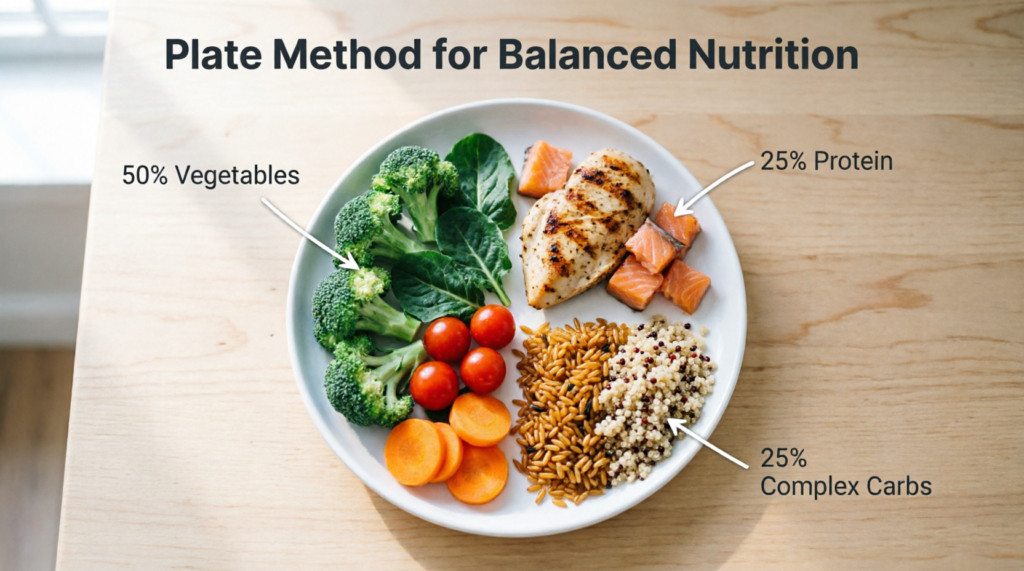
A balanced diet isn’t about perfection; it’s about proportion. Use the plate method as your daily guide:
- 50% non-starchy vegetables (spinach, broccoli, peppers, zucchini)
- 25% lean protein (chicken, tofu, fish, lentils, eggs)
- 25% complex carbohydrates (quinoa, sweet potatoes, brown rice, oats)
- 1–2 thumb-sized portions of healthy fats (olive oil, avocado, nuts, seeds)
This structure naturally regulates calories while delivering fiber, vitamins, and sustained energy.
3. Prioritize Whole, Minimally Processed Foods
You don’t need to eliminate packaged foods entirely, but aim to make whole foods your foundation. Highly processed items are often engineered to override fullness signals, leading to overconsumption. When shopping, follow the “80/20 rule”: 80% whole, recognizable ingredients; 20% convenience or comfort foods.
Swap ideas:
- White bread → Whole-grain sourdough or sprouted bread
- Sugary cereal → Oats with cinnamon and chopped nuts
- Packaged chips → Air-popped popcorn or roasted chickpeas
4. Plan and Prep Your Healthy Meal Planning Strategy
Decision fatigue is the #1 reason beginners abandon nutrition goals. Dedicate 30–45 minutes once a week to outline meals and batch-cook staples like grains, roasted vegetables, and grilled proteins. You don’t need to prep every meal in advance—just the components that make assembly effortless.
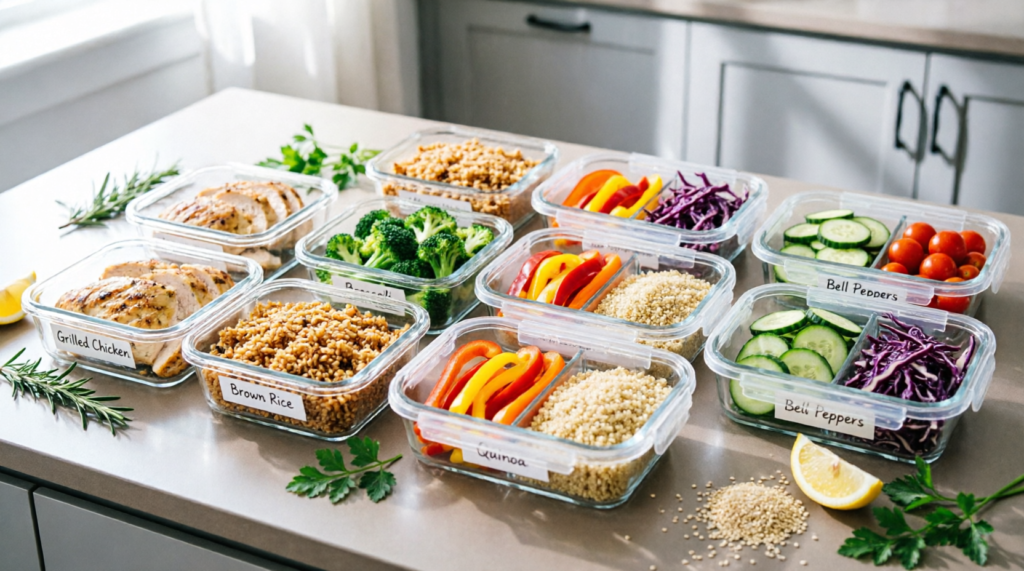
Beginner-friendly prep list:
- Cook 2 cups of quinoa or brown rice
- Roast 2 sheet pans of mixed vegetables
- Portion out snacks (nuts, fruit, hard-boiled eggs)
- Prepare 2 protein-rich breakfast options
5. Practice Mindful Eating
Speed-eating disconnects you from your body’s natural satiety signals. Mindful eating means sitting down, removing distractions (no phones or TV), chewing thoroughly, and checking in with your hunger levels halfway through the meal. This simple habit can reduce overeating by up to 30% and significantly improve digestion.
6. Keep Healthy Snacks Accessible
Hunger-driven choices rarely align with your goals. Stock your kitchen, desk, and bag with healthy snacks that require zero prep:
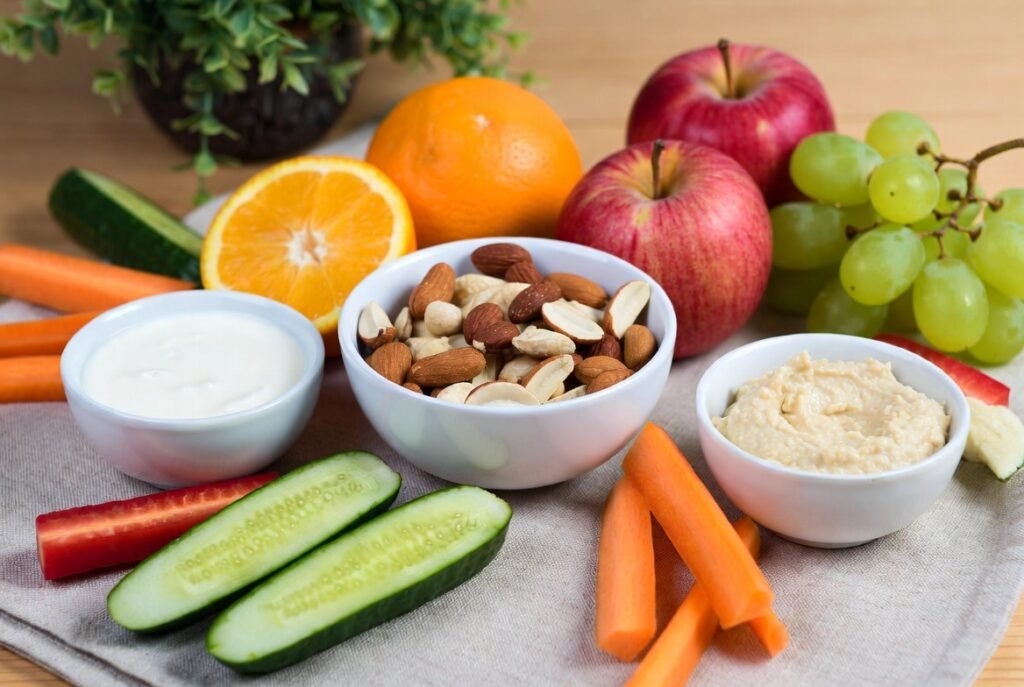
- Apple slices with almond butter
- Cottage cheese with cherry tomatoes
- Handful of mixed nuts and dark chocolate chips
- Whole-grain crackers with hummus
When nutritious options are easier to grab than vending machine fare, consistency becomes automatic.
7. Limit Added Sugars and Refined Carbs Naturally
You don’t need to “quit sugar forever.” Instead, reduce hidden sources gradually. Swap sugary drinks for sparkling water with lemon, choose fruit instead of candy for dessert, and read labels to spot added sugars (dextrose, maltose, high-fructose corn syrup, cane syrup). Your taste buds will adapt within 2–3 weeks, and cravings will noticeably decrease.
8. Cook More at Home
Restaurant and takeout meals are typically higher in sodium, unhealthy fats, and portion sizes. Cooking at home gives you full control over ingredients, cooking methods, and seasoning. Start with 3–4 home-cooked dinners per week. Use simple techniques like sheet-pan roasting, one-pot soups, or stir-fries to minimize cleanup while maximizing flavor.
9. Listen to Your Hunger and Fullness Cues
Diets often teach you to ignore your body. Healthy eating habits teach you to respect it. Use a 1–10 hunger scale:
- Eat when you’re at a 3–4 (lightly hungry, not starving)
- Stop at a 6–7 (comfortably full, not stuffed)
Honoring these cues prevents binge-eating cycles and builds a healthier relationship with food.
10. Stay Consistent, Not Perfect
One off-track meal won’t derail your progress, just as one perfect day won’t transform your health. Focus on weekly consistency, not daily perfection. If you overindulge at a party or skip your veggies at lunch, simply return to your habits at the next meal. Progress compounds over time.
How to Build a Simple Daily Eating Routine
| Time | Meal Focus | Example |
|---|---|---|
| 7:00 AM | Hydrate + Light Breakfast | 16oz water + Greek yogurt with chia seeds & blueberries |
| 10:00 AM | Snack (if hungry) | Handful of almonds + 1 small apple |
| 1:00 PM | Balanced Lunch | Grilled chicken salad with quinoa, mixed greens, olive oil dressing |
| 4:00 PM | Snack or Movement Fuel | Rice cakes with avocado + hard-boiled egg |
| 7:00 PM | Nourishing Dinner | Baked salmon, roasted broccoli, sweet potato mash |
| 8:30 PM | Wind Down | Herbal tea, light stretching, no heavy eating 2 hours before bed |
Customization tips:
- Adjust meal timing to match your work schedule or intermittent fasting preference (if medically appropriate).
- Swap proteins or carbs based on dietary needs (vegetarian, dairy-free, etc.).
- Keep portions aligned with your activity level and hunger cues.
For a complete breakdown of portion sizes and macro balancing, check out our Guide to Balanced Meal Planning or explore the USDA’s MyPlate recommendations for authoritative, science-backed portions.
Common Beginner Mistakes to Avoid
Even well-intentioned beginners stumble into these traps. Recognize them early so you can adjust course:
- Skipping meals to “save calories”: This often leads to intense hunger, poor food choices later, and a slowed metabolism. Eat regularly to keep energy stable.
- Treating all calories as equal: 200 calories of chips affects your body differently than 200 calories of vegetables and protein. Nutrient density matters more than raw numbers.
- Overcomplicating macros: Beginners don’t need precise gram-counting. Focus on protein at every meal, fiber-rich carbs, and colorful vegetables first.
- Ignoring hydration: Thirst is often mistaken for hunger. Aim for half your body weight in ounces of water daily, adjusting for exercise and climate.
- Comparing your journey to others: Genetics, age, stress, and medical history all influence nutrition needs. Your healthy eating plan should be personalized, not copied.
If you’re unsure where to start, our Healthy Eating Habits Checklist provides a printable, step-by-step tracker to keep you on course without overwhelm.
Frequently Asked Questions About Daily Healthy Eating Habits
What is a balanced diet?
A balanced diet provides your body with the right proportions of macronutrients (protein, carbohydrates, fats) and micronutrients (vitamins, minerals) to function optimally. It emphasizes whole foods, limits added sugars and processed ingredients, and aligns portion sizes with your individual energy needs. According to the Harvard T.H. Chan School of Public Health, a balanced diet should center on vegetables, fruits, whole grains, lean proteins, and healthy fats while minimizing red meat, refined grains, and sugary beverages.
How do I start eating healthy as a beginner?
Start with three foundational habits:
- Drink water before every meal.
- Include a protein source and vegetable at breakfast, lunch, and dinner.
- Prep 3–4 simple meals each week to reduce daily decision fatigue. Gradually add snacks, mindful eating practices, and home cooking as these become automatic. Consistency beats intensity every time.
What should I eat every day to stay healthy?
Your daily intake should include:
- Vegetables: 3–5 servings (focus on leafy greens, cruciferous, and colorful varieties)
- Protein: 20–30g per meal (eggs, poultry, fish, legumes, tofu, Greek yogurt)
- Complex Carbs: 1–2 servings per meal (oats, quinoa, sweet potatoes, whole grains)
- Healthy Fats: 1–2 servings daily (avocado, olive oil, nuts, seeds)
- Fiber: 25–35g total from whole foods to support digestion and satiety
How much food should I eat per day?
Caloric needs vary based on age, sex, activity level, and metabolism. As a general starting point:
- Sedentary women: 1,600–2,000 calories
- Sedentary men: 2,000–2,400 calories
- Active individuals: 2,200–3,000+ calories Rather than rigid counting, use the plate method, monitor energy levels, and adjust portions based on hunger/fullness cues. Consult a registered dietitian for personalized calculations.
Can I lose weight by just eating healthy?
Yes, many people experience natural weight loss when transitioning to whole foods, reducing ultra-processed snacks, and practicing portion awareness. A healthy diet for weight loss focuses on nutrient density, protein adequacy, and sustainable habits rather than severe restriction. Pairing nutrition with regular movement, quality sleep, and stress management yields the most reliable results.
Final Thoughts: Your Healthy Lifestyle Starts with One Habit
Building a healthy eating plan isn’t about perfection. It’s about showing up consistently, making slightly better choices, and giving your body the fuel it needs to thrive. You don’t need to overhaul your kitchen overnight or memorize nutrition textbooks. Pick one habit from this list, practice it for two weeks, and layer the next one on top.
Healthy eating is a skill, not a sprint. The more you practice it, the more automatic it becomes.
Ready to take the next step? Download our free 7-Day Beginner Meal Template to simplify your grocery shopping and eliminate daily food stress. Small, daily choices compound into lifelong health. Start today.
This post is for informational purposes only and is not a substitute for professional medical advice.