



In today’s fast-paced world, mental wellbeing often takes a backseat to work deadlines, family responsibilities, and endless scrolling. Yet one of the most powerful, accessible tools for protecting and improving your mental health is hiding in plain sight: regular exercise.
Whether it’s a brisk morning walk, a yoga session, or a gym workout, moving your body consistently delivers profound benefits for mental wellbeing—from slashing anxiety and depression symptoms to boosting mood, self-esteem, and cognitive sharpness.
According to extensive research, including reviews from the Mayo Clinic and Harvard Health, physical activity isn’t just “good for you.” It’s a legitimate, evidence-based strategy that rivals some medications for mild-to-moderate mental health challenges.
This comprehensive guide dives deep into the benefits of regular exercise for mental wellbeing, backed by science.
The Science Behind Exercise and Mental Wellbeing
The connection between exercise and mental health is rooted in measurable brain chemistry and physiology.
When you exercise, your body releases endorphins—natural mood elevators. It also boosts brain-derived neurotrophic factor (BDNF), which supports brain cell growth and neuroplasticity. Exercise helps regulate stress hormones like cortisol and reduces inflammation.
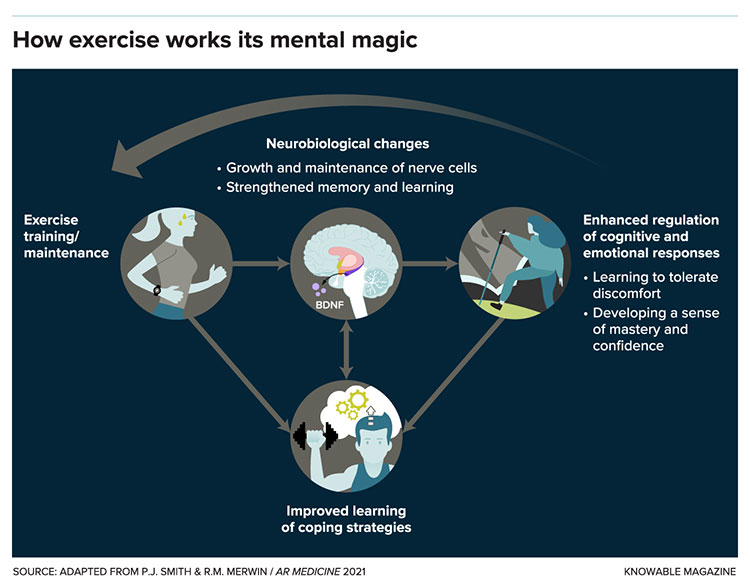
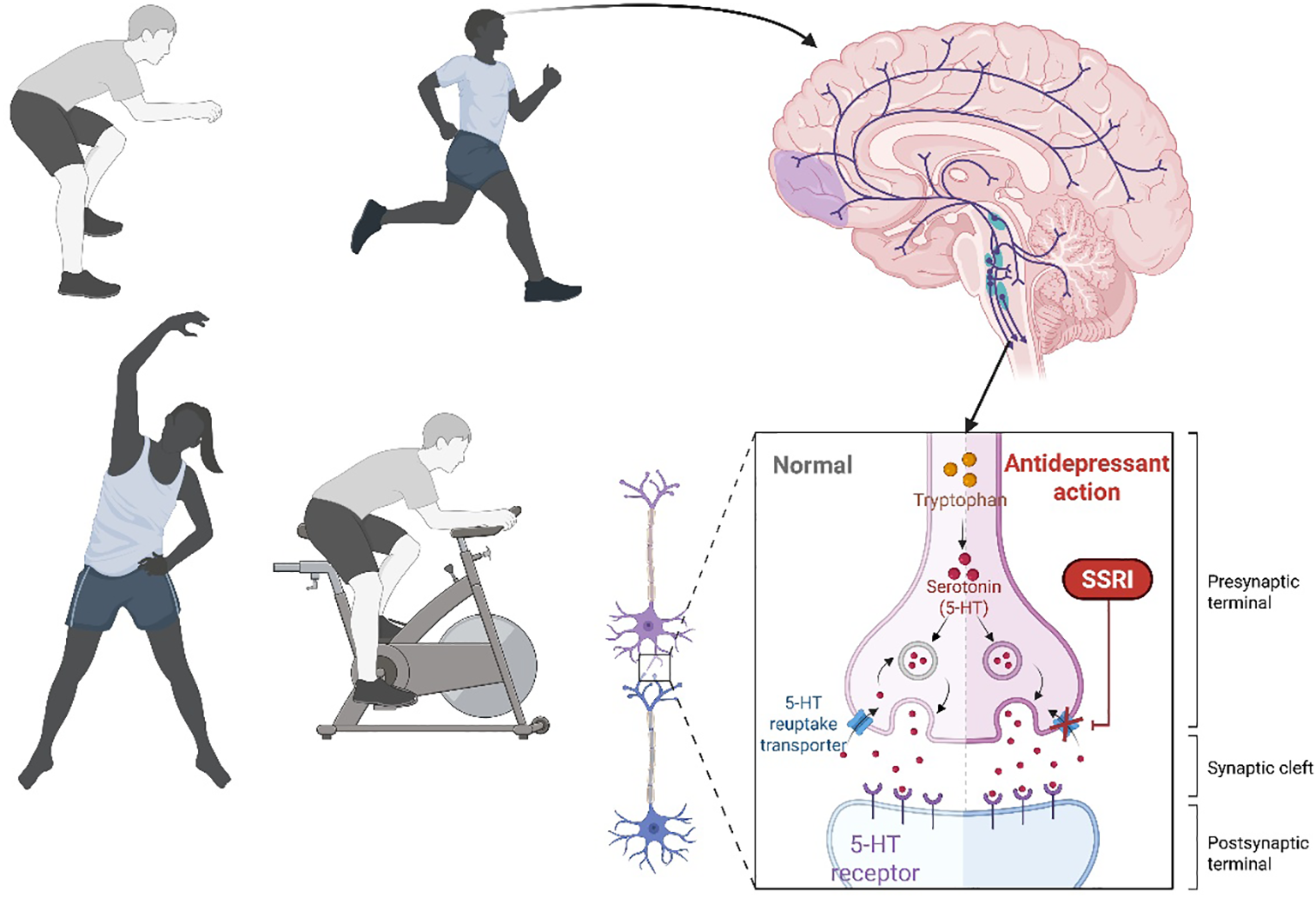
A large body of evidence shows that all forms of exercise significantly improve symptoms of depression, anxiety, and psychological distress.
8 Proven Benefits of Regular Exercise for Mental Wellbeing
Here’s a clear breakdown of the top benefits:
- Reduces symptoms of depression and anxiety
- Boosts mood and emotional balance
- Enhances self-esteem and body image
- Improves sleep quality
- Sharpens cognitive function and memory
- Lowers stress and builds resilience
- Supports long-term mental wellbeing
- Fosters social connection
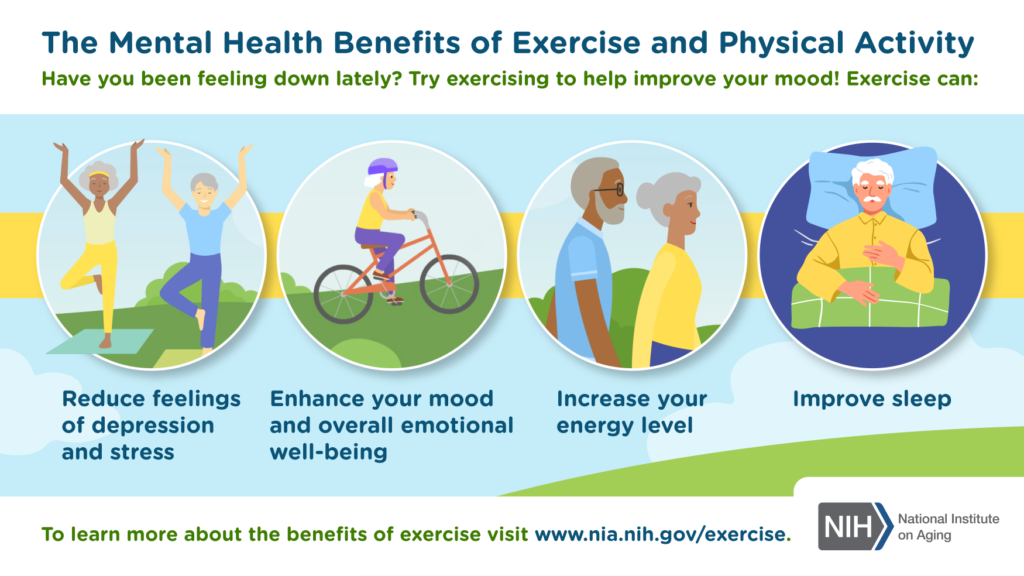
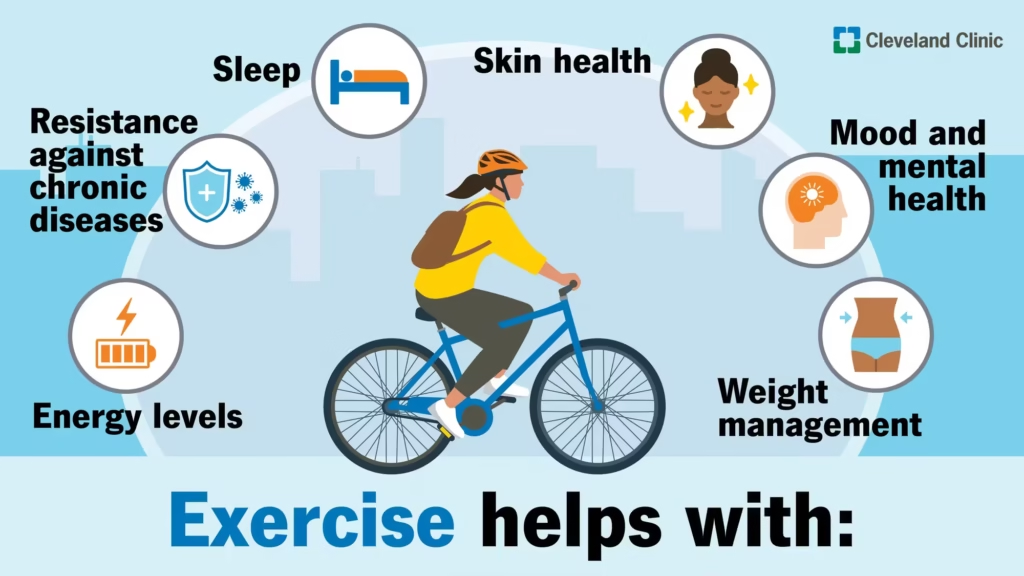
These benefits are dose-dependent—the more consistent you are, the greater the payoff.
Best Types of Exercise for Mental Wellbeing
- Aerobic Exercise (brisk walking, jogging, cycling): Excellent for flooding the brain with endorphins and BDNF.
- Resistance Training: Particularly effective for depression and building self-efficacy.
- Mind-Body Practices (yoga, Pilates, tai chi): Top choice for calming anxiety.
- Group Fitness or Team Sports: Maximize social benefits.


How Much Exercise Do You Need?
Aim for at least 150 minutes of moderate-intensity aerobic activity per week plus muscle-strengthening activities on two or more days. Even shorter daily sessions deliver noticeable improvements.
Practical Tips to Build a Regular Exercise Habit
- Choose activities you enjoy
- Schedule it like any important appointment
- Start small with the 5-minute rule
- Exercise with others for accountability
Aim for at least 150 minutes of moderate-intensity aerobic activity per week plus muscle-strengthening activities on two or more days. Even shorter daily sessions deliver noticeable improvements.
Practical Tips to Build a Regular Exercise Habit
- Choose activities you enjoy
- Schedule it like any important appointment
- Start small with the 5-minute rule
- Exercise with others for accountability

Potential Challenges and How to Overcome Them
Potential challenges often arise when starting a new routine, particularly feelings of initial discomfort or a lack of motivation. These obstacles are common and should be anticipated rather than feared. To overcome them, it is important to begin gently, allowing your body and mind to adjust gradually without overwhelming pressure. Celebrating small wins along the way can provide a sense of achievement and encouragement, reinforcing positive behavior. Most importantly, maintaining consistency is key—regular, steady effort will yield better long-term results than striving for perfection and risking burnout. By embracing this mindset, you can navigate early difficulties and build sustainable habits that support your overall wellbeing.
FAQ: Benefits of Regular Exercise for Mental Wellbeing
Q: Does exercise help anxiety?
A: Yes. Regular aerobic and mind-body exercise significantly reduces anxiety symptoms.
Q: What are the mental health benefits of exercise?
A: Reduced depression and anxiety, elevated mood, better sleep, higher self-esteem, sharper cognition, and greater stress resilience.
Q: How does exercise help mental health?
A: It increases endorphins and BDNF, regulates stress hormones, and promotes neuroplasticity.
Q: What is the best exercise for mental health?
A: A mix of aerobic exercise and mind-body practices like yoga often works best.
Q: How much exercise is needed for mental health benefits?
A: 150 minutes of moderate activity per week is the evidence-based minimum.
Q: Can exercise help depression?
A: Absolutely. It’s considered a strong complement to therapy and medication.
Q: Are there social benefits of exercise?
A: Yes—group activities combat loneliness and build supportive communities.

This post is for informational purposes only and is not a substitute for professional medical advice.